The Wedding Film Guide
Cinematic vs. Documentary Wedding Films: Which Style Is Right for You?
How direction, natural moments, editing, professional audio, pacing, and complete-event preservation shape the finished wedding film.
What is the difference between cinematic and documentary wedding films?
A documentary wedding film emphasizes authentic moments, natural sound, chronology, and complete-event preservation. A cinematic wedding film shapes real moments through intentional composition, camera movement, sound, color, pacing, and narrative editing.
The styles are not necessarily opposites.
Many modern wedding filmmakers use documentary observation during the celebration and cinematic craft in the way those moments are recorded and edited.
Documentary filmmaking preserves what genuinely happened. Cinematic filmmaking shapes those real moments into an intentional emotional story.
The right approach depends on whether you value complete chronology, minimal direction, polished visual storytelling, or a thoughtful combination of all three.
Cinematic vs. documentary wedding films: side-by-side comparison
| Category | Documentary wedding film | Cinematic wedding film |
|---|---|---|
| Primary goal | Preserve authentic events, natural interactions, and the celebration as it unfolded. | Create an emotionally structured, visually refined interpretation of the celebration. |
| Direction | Usually minimal during real events, with selective guidance when needed. | May include more intentional guidance for portraits, movement, composition, and light. |
| Editing structure | Often chronological or event-based, with greater emphasis on completeness. | May move through time, connect dialogue across scenes, and build emotional themes. |
| Visual style | Natural, observational, and focused on capturing events without interruption. | Intentional composition, movement, lens choices, lighting, and color finishing. |
| Audio | May retain longer stretches of live audio, ambient sound, vows, and speeches. | May shape vows, speeches, natural sound, music, and sound design into a narrative. |
| Typical deliverables | Complete ceremony films, speech films, and longer chronological edits. | Teasers, highlights, feature films, and narrative edits. |
| Best suited for | Couples prioritizing authenticity, complete events, and minimal interruption. | Couples prioritizing emotional storytelling, visual craft, and a polished narrative. |
These distinctions describe common approaches rather than rigid rules. A documentary film can be visually beautiful, and a cinematic film can be built entirely from genuine, unscripted moments.
What is a documentary wedding film?
A documentary wedding film prioritizes observation.
The filmmaker works to preserve real interactions, natural pacing, complete events, and the atmosphere of the day with as little interruption as possible.
Documentary coverage may emphasize:
- Candid preparation moments
- Natural family interactions
- The complete ceremony
- Full vows, readings, and traditions
- Complete speeches and toasts
- Ambient sound from the venue and reception
- Chronological storytelling
- Longer-form event preservation
The filmmaker may remain visually unobtrusive during the ceremony, reception, and emotional interactions while still making deliberate choices about camera placement, lenses, exposure, audio, and coverage.
Documentary does not mean unedited, careless, or visually plain. It describes the filmmaker’s relationship to the real event—not the absence of professional craft.
A strong documentary wedding film still requires anticipation, professional audio, camera coverage, editing judgment, and an understanding of which moments will become more meaningful over time.
What is a cinematic wedding film?
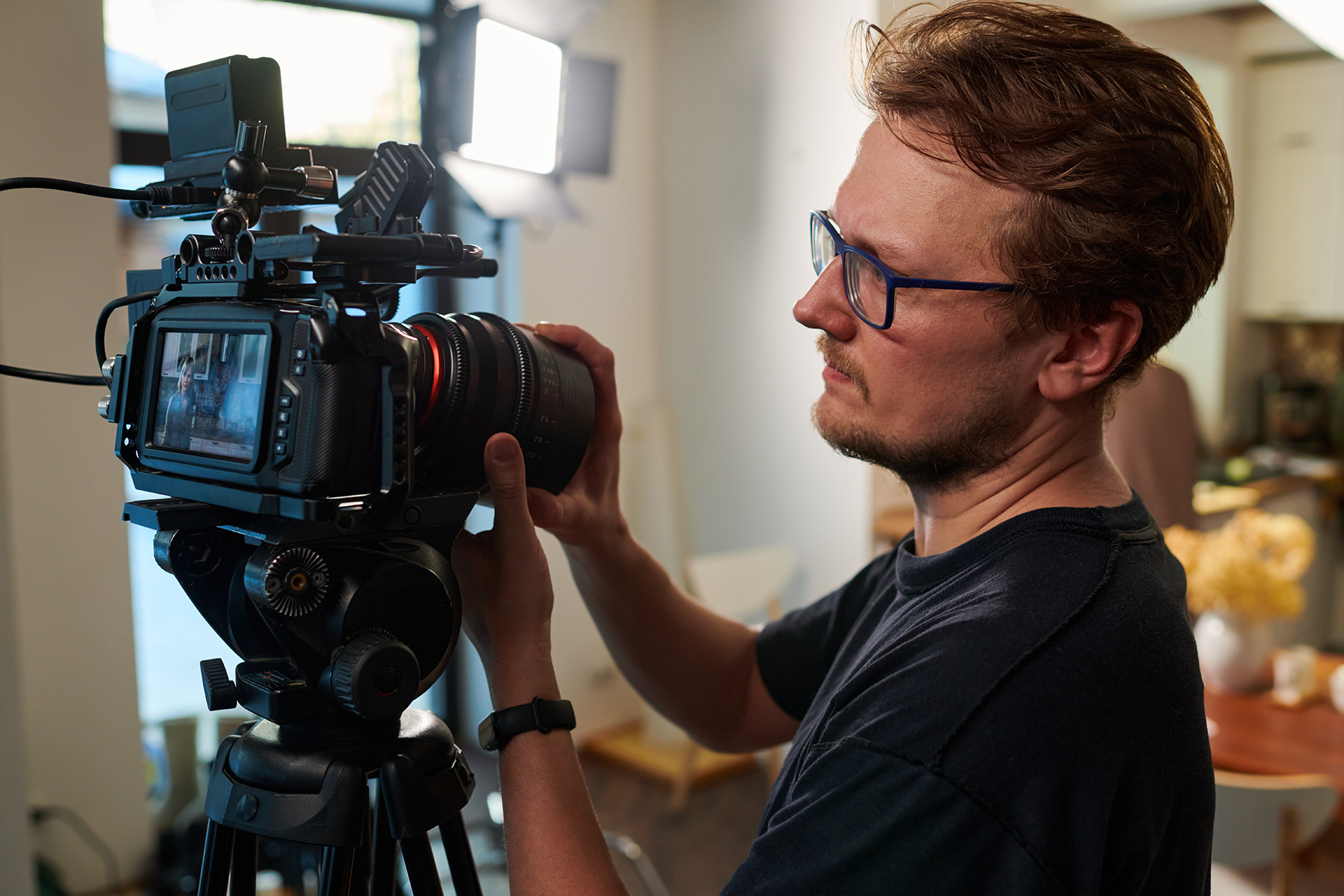
A cinematic wedding film uses the tools of filmmaking to shape the celebration into a polished emotional story.
The approach may involve:
- Intentional composition and camera placement
- Controlled or purposeful camera movement
- Lens choices that influence perspective and depth
- Thoughtful use of available or introduced light
- Professional audio and sound design
- Licensed music
- Color correction and finishing
- Narrative editing that may move through time
- Selective direction during portraits or private moments
A line from the vows may introduce preparation imagery. A parent’s speech may connect with a quiet family interaction earlier in the day. A ceremony reaction may complete an idea expressed during the reception.
Cinematic does not mean manufacturing emotion. It means using filmmaking craft to reveal and preserve the emotion that was already there.
The strongest cinematic films remain recognizable as the couple’s real wedding rather than forcing the celebration into a predetermined visual template.
Does cinematic wedding filmmaking mean the day will feel staged?
It should not.
Cinematic imagery may involve selective direction, but the wedding should not feel like a commercial production competing with the celebration.
Direction can be helpful when:
- Finding flattering or meaningful light
- Helping a camera-conscious couple feel comfortable
- Creating natural movement during portraits
- Positioning the couple for private vows
- Adjusting an avoidable distraction in the background
- Protecting a technically important camera or audio setup
Direction is less appropriate when a genuine emotional interaction is already unfolding.
A skilled filmmaker should know when to guide the scene and when to recognize that the real moment is already better than anything that could be staged.
Does a documentary approach mean no direction at all?
Not necessarily.
Even a documentary-focused filmmaker may help the couple move toward better light, choose an appropriate place for private vows, avoid a technical problem, or understand where to stand during a planned moment.
The distinction is usually one of degree.
A documentary approach tends to preserve the event as it naturally unfolds. A more editorial or cinematic approach may spend additional time shaping portraits, movement, framing, and visual transitions.
Minimal direction does not mean absent preparation. Thoughtful preparation often allows the filmmaker to intervene less.
How does editing differ between documentary and cinematic wedding films?
Documentary editing
Completeness and chronology
Documentary edits often preserve events in the order they occurred, allowing ceremonies, speeches, and traditions to unfold with fewer narrative rearrangements.
Cinematic editing
Emotion and narrative structure
Cinematic edits may move through time, connect dialogue across scenes, build themes, and use music, natural sound, and pacing to create an intentional emotional arc.
A documentary ceremony film may preserve the processional, vows, traditions, and recessional in complete order.
A cinematic feature may use selected ceremony dialogue throughout the film, connecting those words to preparations, portraits, reactions, and later celebration.
Documentary editing asks, “How completely can this event be preserved?” Cinematic editing asks, “How can these moments become one cohesive story?”
A complete collection can answer both questions.
How does professional audio shape each style?
Professional audio is essential to both documentary and cinematic wedding filmmaking.
Documentary films may retain longer stretches of vows, readings, natural ambience, and speeches so the event can be experienced more completely.
Cinematic films may select and rearrange portions of vows, speeches, ambient sound, and music to support the emotional structure of the story.
A professional audio plan may include:
- Dedicated microphones for the couple and officiant
- Ceremony and reception sound-system feeds
- Independent backup recorders
- Private-vow recording
- Speech-microphone feeds
- Musicians, readings, and environmental sound
- Synchronization, restoration, balancing, and mixing
The visual style may differ, but the voices remain the emotional foundation of both approaches.
Which style preserves more of the wedding?
Neither style automatically preserves more.
A short cinematic highlight may preserve fewer complete events than a long documentary edit. A cinematic collection that also includes the complete ceremony, speeches, and additional event films may preserve both emotional storytelling and comprehensive coverage.
The label matters less than the actual deliverables.
Review the package or collection carefully and ask whether it includes:
- A cinematic highlight or feature film
- A complete ceremony film
- Complete speeches or toasts
- Documentary edits
- Welcome-party or rehearsal coverage
- Raw footage or archival recordings
Our guide to what wedding videography packages should include explains why similar package names can lead to very different finished work.
Can a wedding film be both cinematic and documentary?
Yes. For many couples, a hybrid approach provides the strongest balance.
Documentary observation
Real moments remain real
Preparations, ceremonies, speeches, reactions, and family interactions are allowed to unfold naturally.
Cinematic execution
Craft shapes the experience
Composition, camera movement, audio, music, color, and narrative editing create a refined final film.
Complete-event preservation
Important events remain intact
Ceremonies, speeches, private vows, and traditions can be delivered separately in longer documentary form.
Selective direction
Guidance without overproduction
The couple receives help when light, movement, or comfort benefits from direction, without interrupting genuine emotion.
A hybrid collection can be documentary in observation, cinematic in execution, and complete in what it preserves.
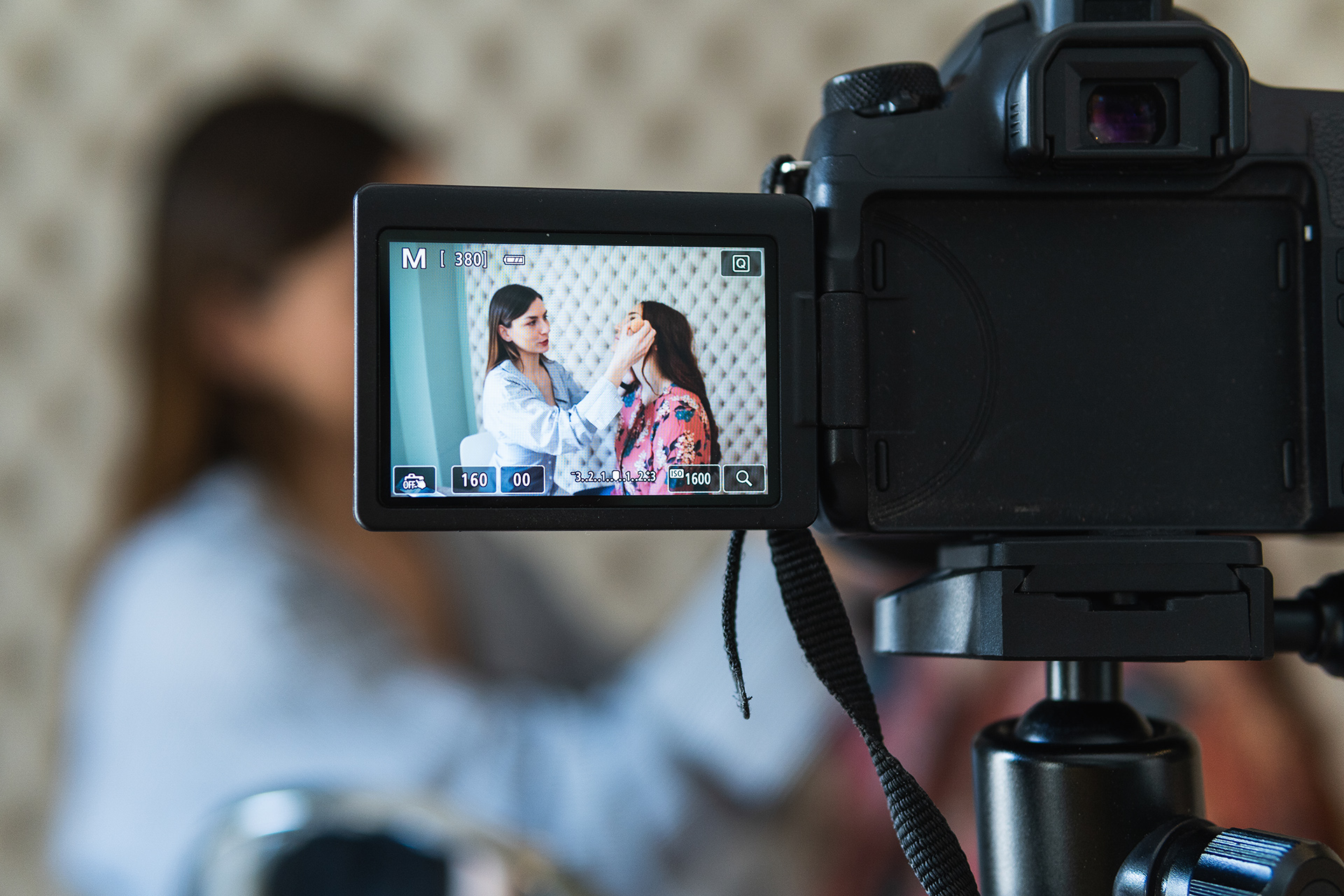
Which wedding-film style is right for you?
Choose documentary when
Completeness and authenticity lead
You value minimal interruption, complete events, chronology, natural sound, candid interactions, and a direct record of how the celebration unfolded.
Choose cinematic when
Emotional storytelling leads
You value polished imagery, visual intention, selective direction, emotional pacing, music, sound design, and a carefully structured narrative.
Choose hybrid when
You do not want to sacrifice either
You want genuine moments and refined imagery, a cinematic feature and complete ceremony, professional audio, and both emotional and chronological preservation.
Do not choose based only on the words used in a studio’s marketing. Watch complete films and review the deliverables included in the collection.
Questions to ask a wedding filmmaker about style
Can we watch several complete films?
Complete examples reveal direction, pacing, audio, visual consistency, and whether each couple’s story feels distinct.
How much direction will you give us?
Ask what happens during preparations, private vows, portraits, and genuine emotional interactions.
Are your films chronological or narrative?
Understand whether the primary film follows the timeline or moves through the day to build themes and emotion.
Are complete events delivered separately?
Confirm whether the ceremony, speeches, private vows, or documentary edits are included in addition to the cinematic film.
How do you use vows and live audio?
Ask how voices are recorded, selected, mixed, and integrated into both cinematic and documentary films.
Do your films follow a template?
Look for an approach shaped around the couple, relationships, traditions, and actual emotional rhythm of the celebration.
Review our complete guide to questions to ask a wedding videographer before booking for additional guidance on audio, backups, contracts, delivery, and creative fit.
The Palmer Weddings approach
Documentary in observation. Cinematic in execution. Personal in storytelling.
Palmer Weddings allows genuine moments to remain genuine.
We provide direction when it improves light, movement, comfort, or composition, and step back when the authentic moment is already unfolding.
Professional audio preserves the words at the center of the story. Multiple perspectives preserve simultaneous reactions. Narrative editing connects the voices, relationships, imagery, and atmosphere into a cohesive film.
Where included, complete ceremony, speech, and documentary films preserve the events with additional depth beyond the primary cinematic story.
The objective is not to choose between truth and beauty. It is to preserve the truth of the celebration with cinematic care.
Explore the Palmer Weddings films, learn about the wedding-film experience, or review our collections.
Common questions
Frequently asked questions
What is a documentary wedding film?
A documentary wedding film emphasizes authentic interactions, natural sound, chronology, and complete events. The filmmaker typically intervenes less during real moments while still using professional camera, audio, and editing techniques.
What makes a wedding film cinematic?
Cinematic wedding films use intentional composition, movement, light, lenses, professional sound, music, color finishing, and narrative editing to shape the celebration into a polished emotional story.
Does cinematic wedding videography require posing?
Not necessarily. Selective direction may help with portraits, light, movement, or comfort, while ceremonies, speeches, and genuine interactions can remain fully documentary.
Is documentary wedding videography unedited?
No. Documentary films still require footage review, audio synchronization, editing, color correction, sound work, and technical finishing. The term describes the observational and often chronological approach.
Can a wedding film be both cinematic and documentary?
Yes. A hybrid approach can use documentary observation during the wedding, cinematic craft in the primary film, and separate complete-event films for the ceremony, speeches, or other important moments.
Which style preserves more of the wedding?
The deliverables matter more than the label. A documentary edit may preserve more complete chronology, while a cinematic collection that includes ceremony and speech films can preserve both the emotional story and complete events.
How do we choose the right wedding-film style?
Watch complete films, consider how much direction feels comfortable, decide whether complete events matter, and review the exact deliverables. Choose the approach that reflects how you want to experience the wedding again.
Palmer Weddings
Documentary in observation. Cinematic in execution.
Palmer Weddings preserves genuine moments through professional audio, multiple perspectives, intentional imagery, and narrative editing centered on the people and relationships that make each celebration meaningful.